Derating Analysis and Reliability Allocation

Derating Analysis

Most equipment failures are precipitated by stress. When the applied stress exceeds the inherent strength of the part, either a serious degradation or a failure will occur. Derating analysis helps with the selection of parts and materials so that the applied stress is less than rated for a specific application.

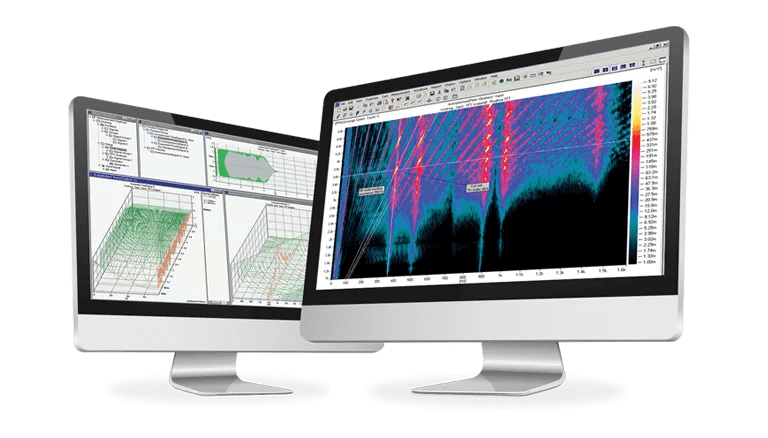
When you are working with a MIL-217 or Bellcore/Telcordia system in Lambda Predict, you can select from the available published derating standards or define your own. Once a derating standard has been applied, each component in the system is automatically evaluated to determine whether it meets the derating requirements defined for its component type in the standard. The software provides visual indicators within the system configuration and also makes it easy to access more details or generate plots.

The available derating standards are:

  • NAVSEA-TE000-AB-GTP-010 issued by the Naval Sea Systems Command in March 1991.
  • MIL-STD-975M (NASA) issued by the U.S. National Aeronautics and Space Administration in 1994.
  • MIL-STD-1547 issued by the U.S. Department of Defense in November 1998.
  • Naval Air System Command AS-4613 issued by the U.S. Naval Air Systems Command in 1976.
  • ECSS-Q-30-11-A issued by the European Cooperation for Space Standardization in April 2006.

Reliability Allocation

Lambda Predict's Allocation utility provides a choice of five allocation models that can be used to logically apportion the product design reliability into lower level design criteria such that the cumulative reliability still meets the requirements. The available allocation models are:

  • Equal Allocation
  • AGREE Allocation
  • Feasibility of Objective Allocation
  • ARINC Apportionment Technique
  • Repairable Systems Allocation