RGA: Reliability Growth Analysis and Repairable System Analysis Software Tool

Reliability growth and repairable system analysis

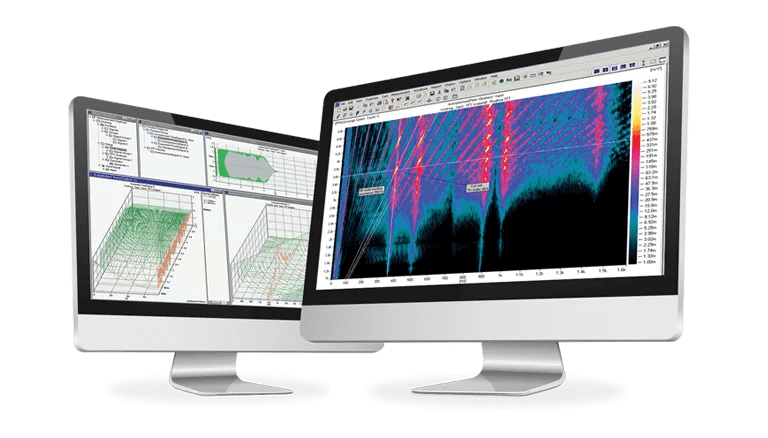
Click to see a picture of the RGA software interface for reliability growth analysis (RG Analysis) and repairable system analysisClick to see a picture of the RGA software interface for reliability growth analysis (RG Analysis) and repairable system analysisReliaSoft's RGA is a powerful software tool that allows you to apply reliability growth models to analyze data from both developmental testing and fielded repairable systems. In the development stage, the software allows you to quantify the reliability growth achieved with each successive design prototype and also provides advanced methods for reliability growth projections, planning and management. For systems operating in the field, RGA allows you to calculate optimum overhaul times and other results without the detailed data sets that normally would be required for repairable system analysis. 

The development of RGA was a joint effort between ReliaSoft Corporation and
Dr. Larry Crow, the leading authority in the field of reliability growth analysis, along with key development partners in government and industry. This collaboration has resulted in an application-oriented software package with all of the major reliability growth models, plus formulations that are not available anywhere else. 

Software Features

RGA includes full support for traditional reliability growth analysis using the applicable models — Crow-AMSAA (NHPP), Duane, Gompertz, Modified Gompertz, Lloyd-Lipow or Logistic — for a variety of developmental data types — time-to-failure, discrete (success/failure) and reliability data. In addition, the software provides exclusive support for innovative approaches that facilitate reliability growth projections, reliability growth program planning and multi-phase reliability growth analysis. RGA helps to create operational test plans that effectively balance all of the mission profiles that need to be tested to make sure the testing yields data appropriate for reliability growth analysis. The software also provides opportunities for fielded repairable system analysis, including a Design of Reliability Test (DRT) utility and a method for analyzing the system's reliability behavior over time in order to calculate optimum overhaul times and other metrics of interest.

Available Training

ReliaSoft offers a comprehensive three-day training course that addresses the topic of applying reliability growth models to analyze developmental testing data and also fielded repairable systems. By combining a solid theoretical foundation with practical application examples and hands-on software training, this course will give you the knowledge and skills you will need to successfully apply these important reliability techniques.

Application Examples

Some of the many useful applications include the ability to:

  • Quantify reliability growth achieved with each successive design prototype.
  • Determine the feasibility of achieving reliability goals with a given test/fix strategy.
  • Calculate optimum overhaul times and other results for fielded repairable systems without the detailed data sets that would normally be required for repairable system analysis.
Expand / Collapse

Software Capability Highlights

Data Types

  • Times-to-Failure Data
    • Failure Times (with option for gap analysis)
    • Grouped Failure Times
    • Multiple Systems
    • Known Operating Times
    • Concurrent Operating Times
    • Multiple Systems with Dates
  • Discrete (Success/Failure) Data
    • Sequential
    • Sequential with Mode
    • Grouped per Configuration
    • Mixed
  • Multi-Phase Data
    • Multi-Phase Failure Times
    • Multi-Phase Grouped Failure Times
    • Multi-Phase Mixed
  • Reliability Data
  • Fielded Data
    • Repairable Systems
    • Fleet

Models

  •  Traditional Reliability Growth Analysis
    • Crow-AMSAA (NHPP)
    • Duane
    • Standard Gompertz
    • Modified Gompertz
    • Lloyd-Lipow
    • Logistic
  • Reliability Growth Projections, Planning and Management
    • Crow Extended
    • Crow Extended - Continuous Evaluation
  • Fielded Repairable Systems Analysis
    • Crow-AMSAA (NHPP)
    • Power Law

Analysis Types

  • Maximum Likelihood
  • Least Squares

Confidence Interval Methods

  • Fisher Matrix
  • Crow
  • Least Squares


Calculated Results
The available calculated results depend on the data type and the model used.

  • Traditional Reliability Growth Analysis
    • Reliability
    • Cumulative or Instantaneous MTBF or Failure Intensity
    • Time Required to Demonstrate Reliability, MTBF or Failure Intensity
    • Expected Number of Failures
    • Average or Instantaneous Reliability or Unreliability
  • Reliability Growth Projections, Planning and Management
    • Cumulative or Instantaneous MTBF or Failure Intensity
    • Time Required to Demonstrate Reliability, MTBF or Failure Intensity
    • Expected Number of Failures
    • Average or Instantaneous Reliability or Unreliability
    • Demonstrated MTBF or Failure Intensity
    • Nominal or Actual Projected MTBF or Failure Intensity
    • Nominal or Actual Growth Potential MTBF or Failure Intensity
    • Number of Failures
    • Discovery Rate for Unseen BD Modes
    • MTBF for Unseen BD Modes
  • Fielded Repairable Systems Analysis
    • Conditional Reliability
    • Cumulative or Instantaneous MTBF or Failure Intensity
    • Time Required to Demonstrate Reliability, MTBF or Failure Intensity
    • Expected Number of Failures
    • Additional Mission Time to Demonstrate Reliability Given Current Time
    • Optimum Overhaul

Additional Tools for Reliability Growth Projections, Planning and Management

  • Growth Planning and MultiPhase Plots
  • Operational Mission Profiles

Integrated Utilities

  • Quick Calculation Pad
  • Quick Statistical Reference
  • Monte Carlo Data Generation
  • SimuMatic®
  • Design of Reliability Tests for Repairable Systems 

Plot Types

  • Traditional Reliability Growth Analysis
    • Cumulative Number of Failures
    • MTBF vs. Time
    • Failure Intensity vs. Time
    • Reliability vs. Time
    • Unreliability vs. Time
    • System Operation
  • Reliability Growth Projections, Planning and Management
    • Beta Bounds
    • Growth Potential MTBF
    • Growth Potential Failure Intensity
    • Final MTBF
    • Final Failure Intensity
    • Cumulative Number of BD Modes
    • MTBF BD Modes Unseen
    • Discovery Rate
    • Individual Mode MTBF
    • Individual Mode Failure Intensity
    • Average Failure Mode Strategy
  • Fielded Repairable Systems Analysis
    • Conditional Reliability
    • Conditional Unreliability
    • System Operation

Advanced Plotting Tools

  • MultiPlots
  • Side-by-Side Plots
  • RS Draw Metafile Graphics Editor

Custom Analysis and Reporting Tools

  • Spreadsheets
  • Report Templates
  • Function Wizard

Import Types

  • Microsoft Excel® Files
  • Text Files
  • Analyses from RGA 6

Integration

Available Services

[Click here for a printer-friendly version...]